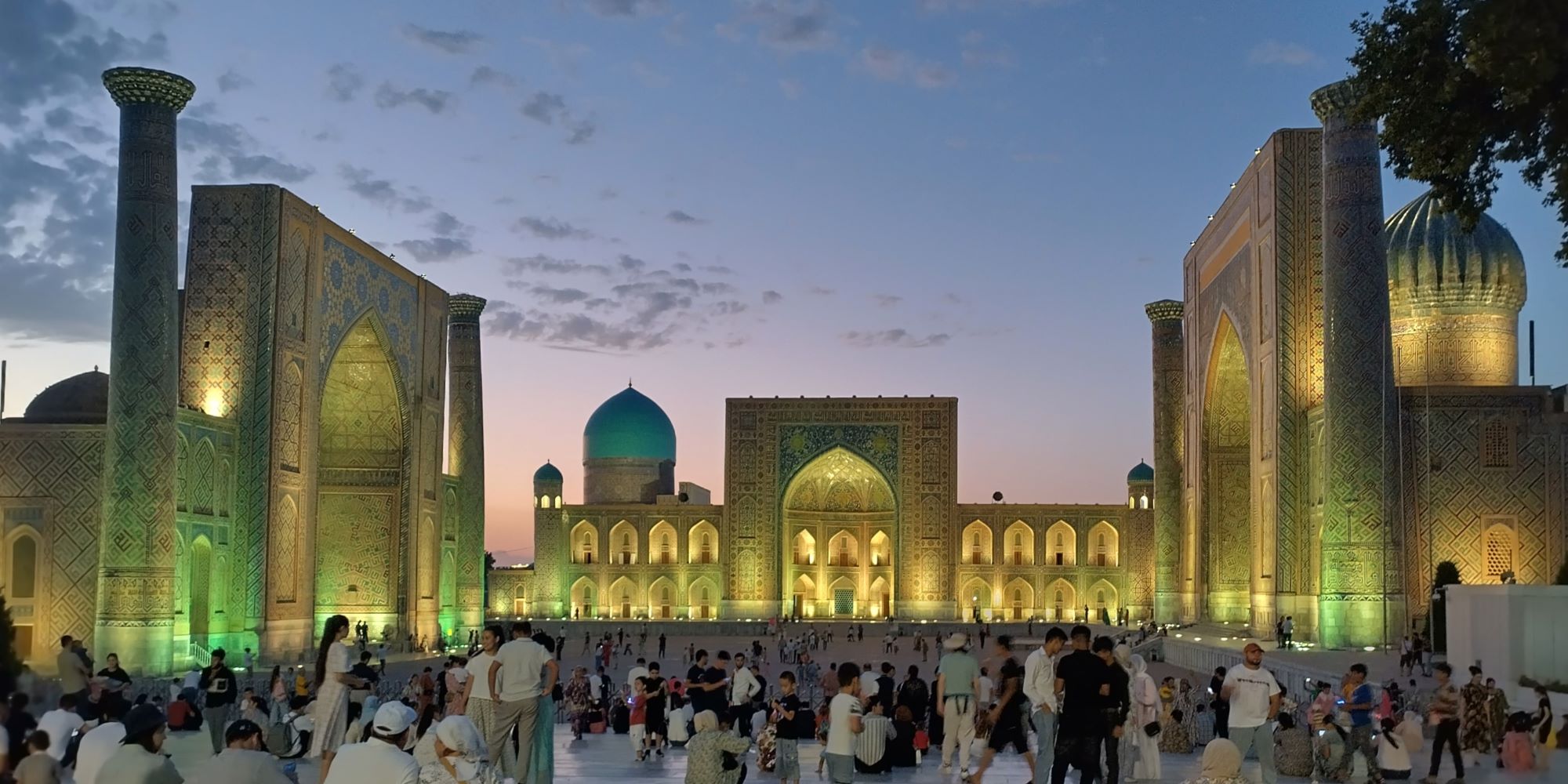
Travelling the World by Motorcycle
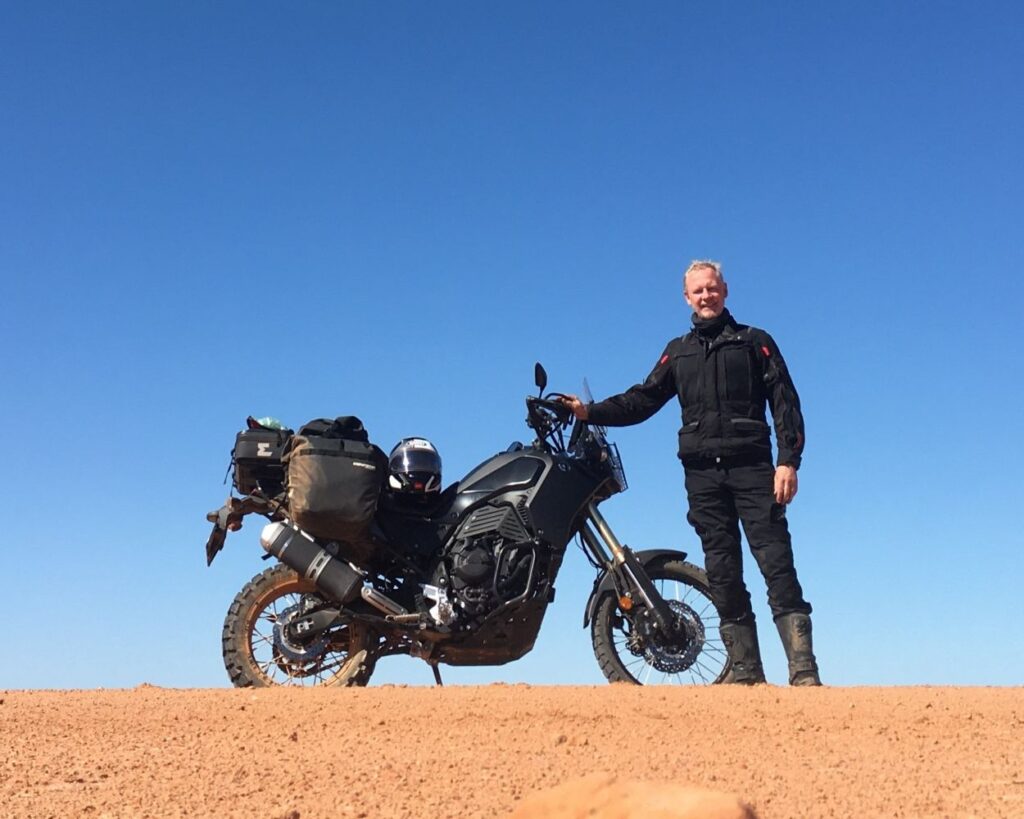
3 Years of Solo Motorcycle Travel
I consider myself a traveller before a motorcyclist. I learnt to ride to enjoy the freedom of travel that a motorcycle provides. My motorcycle riding pretty much starts with the content of this website. So, despite some fairly intensive hands-on experience in the last few years, this page is not really about the technicalities around motorbikes and riding them.
The information below is about being a solo motorcycle traveller in a foreign country – and not Europe or North America.
There is some good information online about trip preparation. But a lot is about selling stuff. Beware of falling into the trap of over spending and over thinking your preparation. Once you get out there, it is likely you will realise you don’t really need that much and end up lightening your load pretty quickly.
Everyone is different, with different risk levels and circumstances. This is my experience, it may not all work for you. Follow your own intuition.
Click on the photos for the background story (best viewed on a large screen).
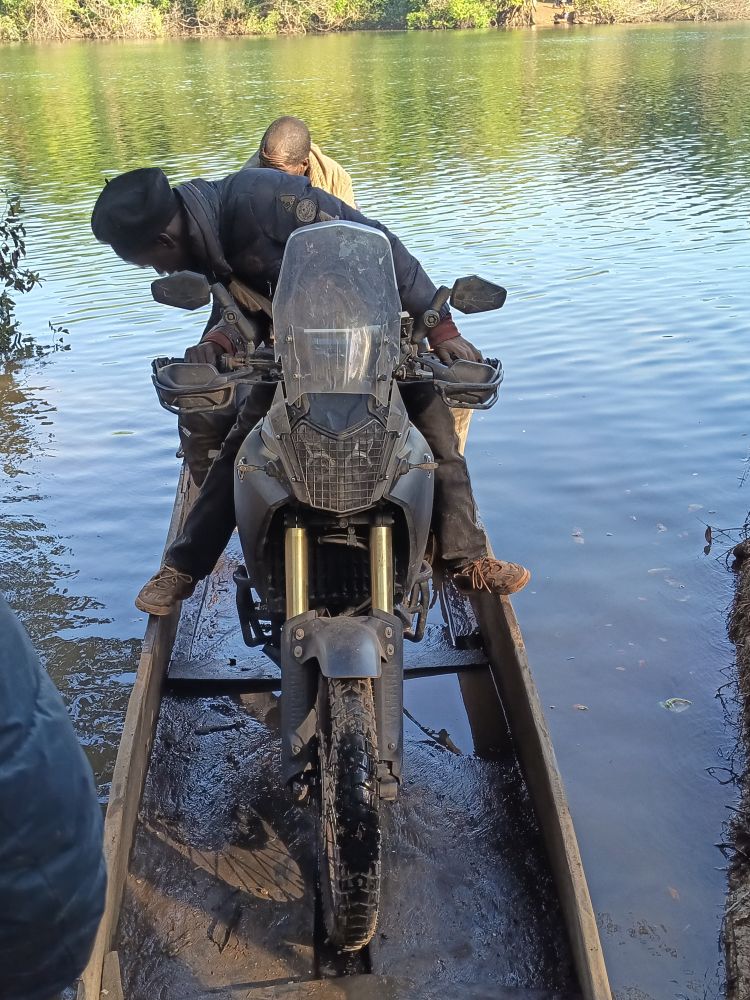
Travel Insurance and Local Insurance
With personal Travel Insurance, what is available and works for you will depend on your country of residence and personal needs. I am now on my third annual policy. So far I have never made a claim, but I would still not be without it. Each time, I just buy a one year worldwide policy (excluding Canada and USA if applicable). These days I just buy a policy that will cover me for serious medical problems and emergency evacuation. I do not put any priority on things like cancellations, theft, funeral expenses etc. I just want cover if I fall off and need transport to a hospital and serious treatment. I do not have cover for search and rescue. This is a risk but I manage it by being careful, using a Live Tracker of my location, carrying a Personal Locator Beacon and good luck.
Buying comprehensive insurance to cover your motorcycle outside your home country or economic region is near impossible. It is just not going to be viable for an insurer or you. I have never had any problems with damage or theft to the bike (that would be claimable). Like all risks, reduction becomes more important to manage, rather than spending money to cover bad outcomes.
I do feel vehicle insurance to cover harm or damage to others and their property is important i.e. liability insurance (third party). In many countries it is compulsory, but I have rarely been asked to prove I have it. But it will become important if something bad happens. And hopefully what you bought is legit. You are only going to find this type of insurance cover from companies within the country you are riding, or maybe agents in neighbouring countries. And you will probably only find it at your entry land border crossing or nearby towns. Once you get further within a country, insurance companies and agents typically do not have the mindset to offer insurance to foreigners. I have never made a claim for this type of insurance either, but I still buy it when I can find it. Typically it would be $10-30 USD for 15-30 days. Sometimes you will see online sites selling liability insurance. But from my experience they are “middlemen” and the prices are way too high. Do be aware that some regions will have multi-country liability insurance offers e.g. West Africa, EU, South America, US/Canada.
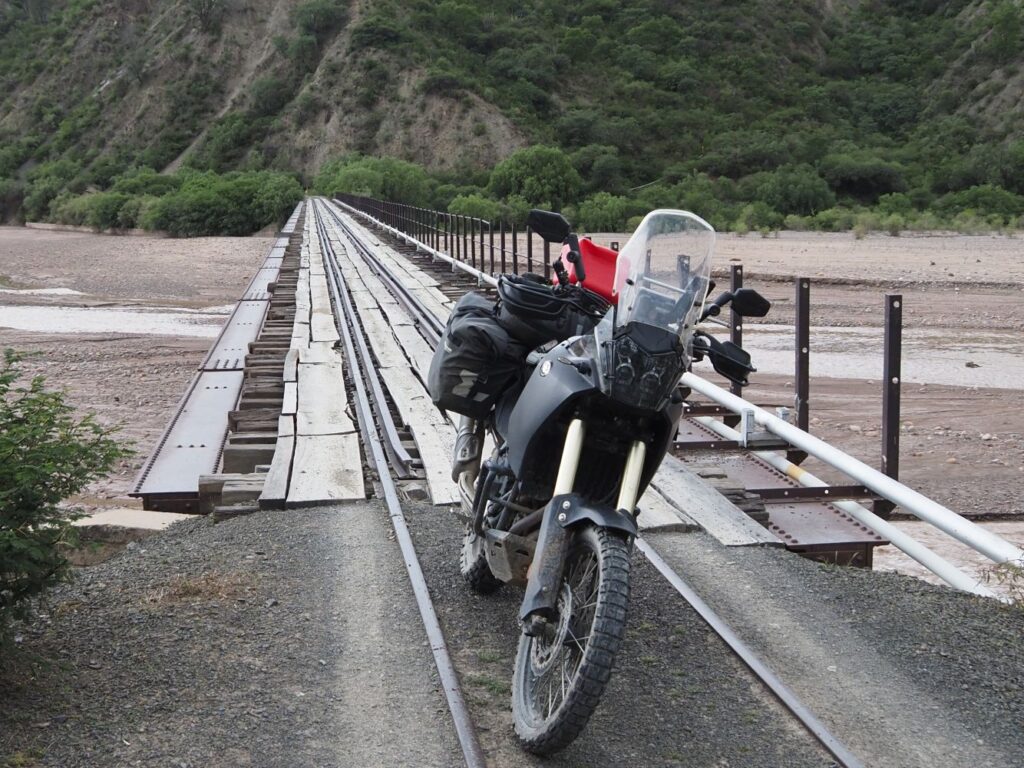
Adjust Your Riding Risk Profile
When you are in your home country you will ride in a way that is comfortable but probably fun and risky to you at times. You will do this based on the consequences of those risks and your perception of how bad they are.
It is important to re-assess your risk level once you enter a foreign country. I am thinking of your speed, overtaking, riding in challenging remote terrain, riding in politically unstable regions.
While road rules are generally the same the world over, they are not really when you get in the thick of it. You will be on unfamiliar roads, probably with erratic following of the road rules. And in many countries motorcycles are third rate road users that are expected to just ride along the shoulder of the road. Don’t expect the same amount of care and space from other road users that you get at home.
If you do get in an accident, it is likely you will get the blame as a foreigner, and the medical treatment you receive could be far worse than what you are used to.
Emergencies
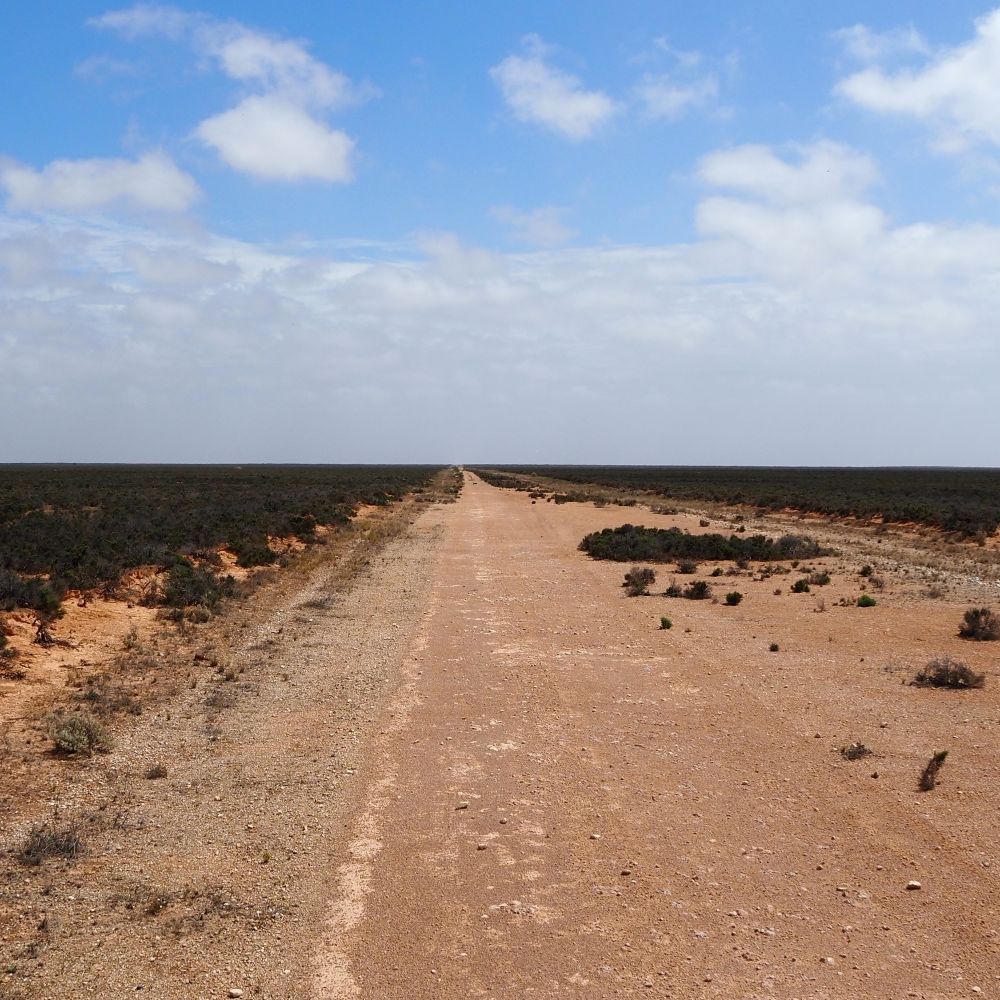
A reasonable amount of first aid knowledge and skills is worthwhile. Let’s face it, with adventure motorcycling there is a good chance it will be you providing the aid to yourself. As an example, I completed this 3 day Remote First Aid course before starting my trip. I have not needed to apply it yet. I have been near accidents but luckily there have been local people to respond.
I carry an Australian model Personal Locator Beacon for use in areas with no phone signal. It always stays in my jacket front pocket. In a life threatening emergency, I can push a button and send a signal to an Emergency Services satellite. In theory, the Australian Emergency Services will contact the country’s Emergency Service who will send aid to my GPS location. I have no idea what really happens in individual countries but it is worth having. My PLB model is probably 8 years old, the battery is guaranteed for 10 years. There are many more advanced devices available now, including a messaging function. The message is to look into it and carry something suitable for your situation.
I also use the Locus Maps 4 Live Tracking feature. When in mobile phone or internet range, it will pinpoint my last location on a private webpage map. I use this as a means for my family to know where I am. I only bother telling them my specific plans when I am going into more obscure and risky areas that will not have phone and hence tracking coverage.
Dogs and Motorcycles
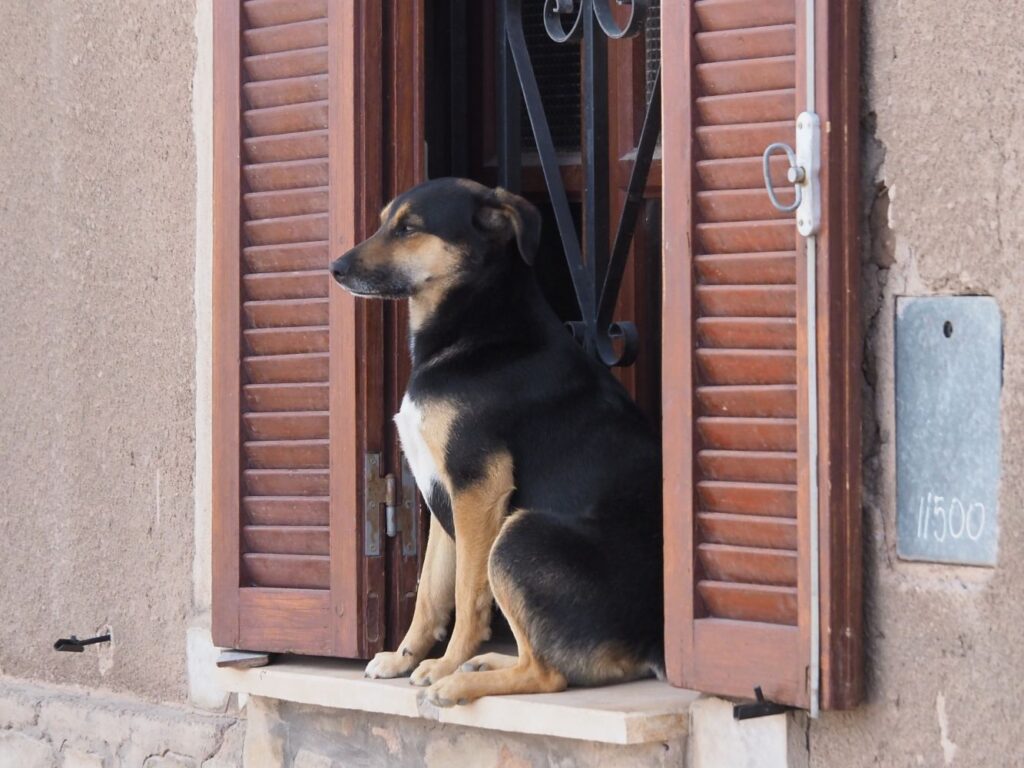
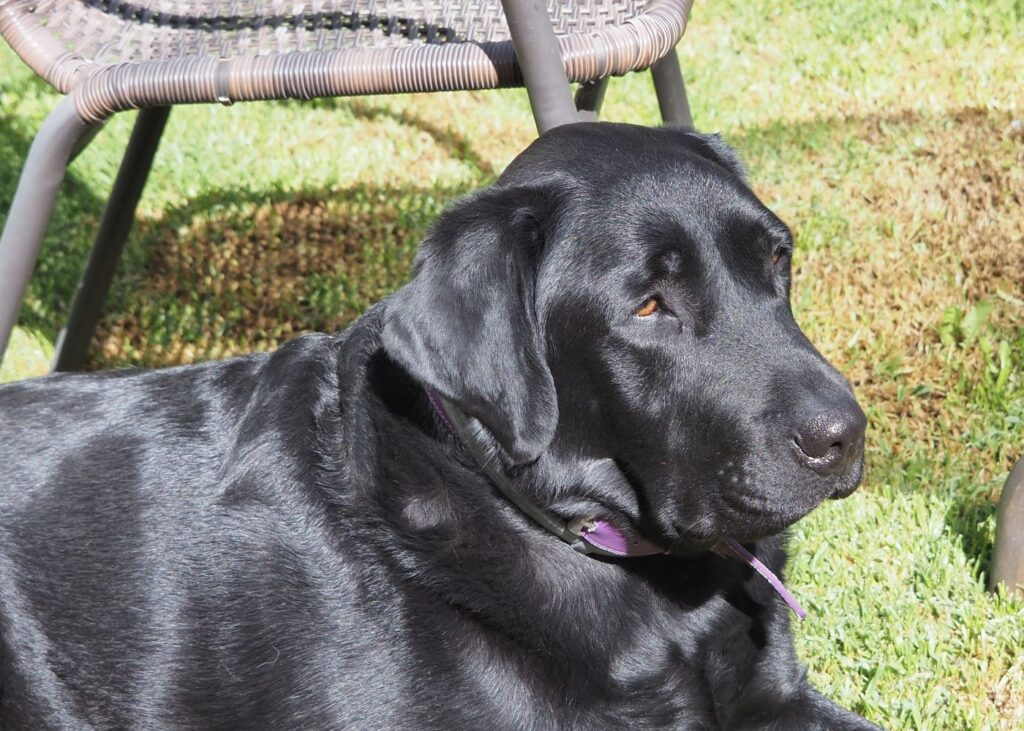
Some dogs have an issue with motorcycles. I had almost forgotten, but entering South America reminded me of my Australian 1970’s childhood when dogs freely roamed the streets and had a thing for chasing cars, bicycles and motorbikes. There are still many countries where dogs roam freely. Most countries in South and Central America and Central Asia are highlights, but also parts of Europe (mountain shepherd breeds). As you would expect, the trouble normally comes when the dog is trying to protect something.
So what to do when a group of dogs come flying out of left field, looking and sounding like a serious threat? This has happened to me many many times, but only once has a dog actually come close enough to touch my boot. Normally they just target the front wheel and want to get their message across with a lot of barking and teeth.
So from my experience the tip is, don’t freak out. Work out your exit strategy and keep a steady line and speed. Don’t worry about hitting the dog, it will protect itself. It is better to go steady rather than try to outrun it, in circumstances where you might have to do some erratic moves. It will soon run out of enthusiasm, or you will leave its territory.
I did have one scary situation in Colombia where I stopped at a dirt side track to take a photo. I got off my bike but had not realised it was the driveway of a farmhouse. Five dogs came running at me in full flight. Running or trying to escape would probably have been bad. I turned my back, kept in close to the motorbike, ignored them and took my photo. It worked, they lost interest and backed off.
I have seen two wins to dogs on my trip. In Murghab, Tajikistan I met a motorcycle tour group. They had come across a herder’s dogs. Something went wrong and one rider fell badly. The dog didn’t bite him, but he had probably ended up with broken ribs from the fall. The ambulance that came to collect him from the hotel did not look encouraging at all. Another rider had been bitten by a guard Rottweiler at a motorcycle mechanics in Dakar, Senegal. He was just trying to get his bike repaired and walked too close to the guard dog – classic Africa. He ended up with a nasty bite and many stitches to his hand (bloody rough job though).
Extortion and Bribes
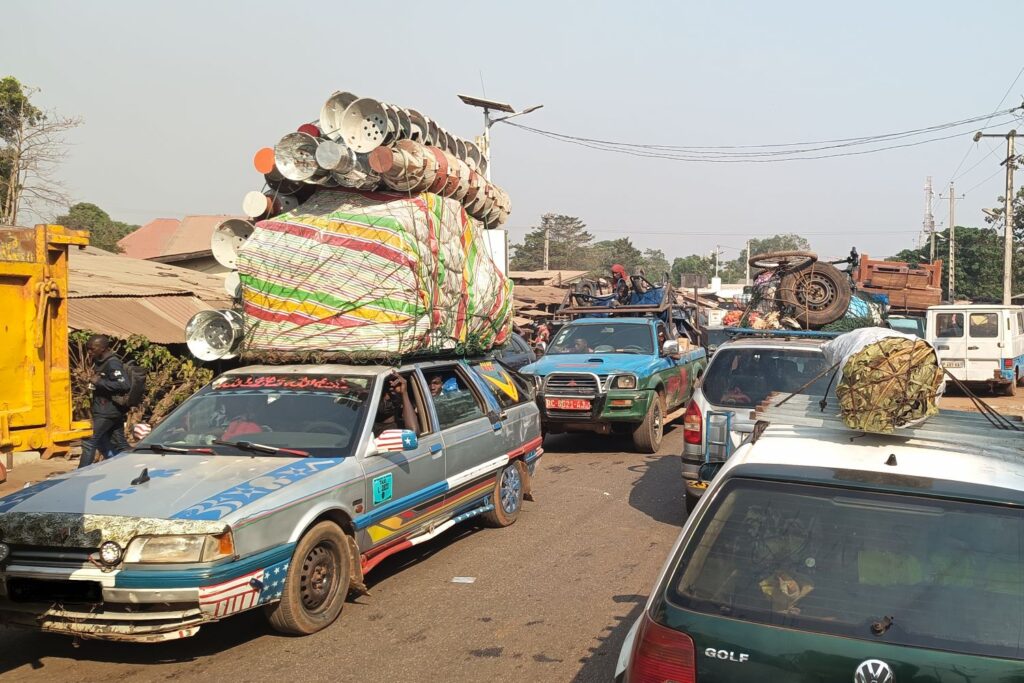
For me, this has been a rare problem. The only actual countries have been Guinea and Guinea Bissau, for example – Riding through Guinea . I have no doubt there would have been others if I kept riding further through Africa. I had interactions with police officers in Kyrgyzstan and Paraguay that were seemingly heading in the way of me getting some cash squeezed from me, but I was able to talk it out and move on.
The probability of a problem is probably very low, unless you are going to Africa, in which case it would be worth doing some research and thinking through your tactics. The most important thing everywhere is to not leave yourself open – don’t break any laws. If you are in a foreign country, be on your best behaviour. Border crossings are also susceptible. It can be hard but try to be well prepared with your paperwork and knowledge of the country’s rules. Not that arguing will do much good, but it is good to know in your own mind where you stand.
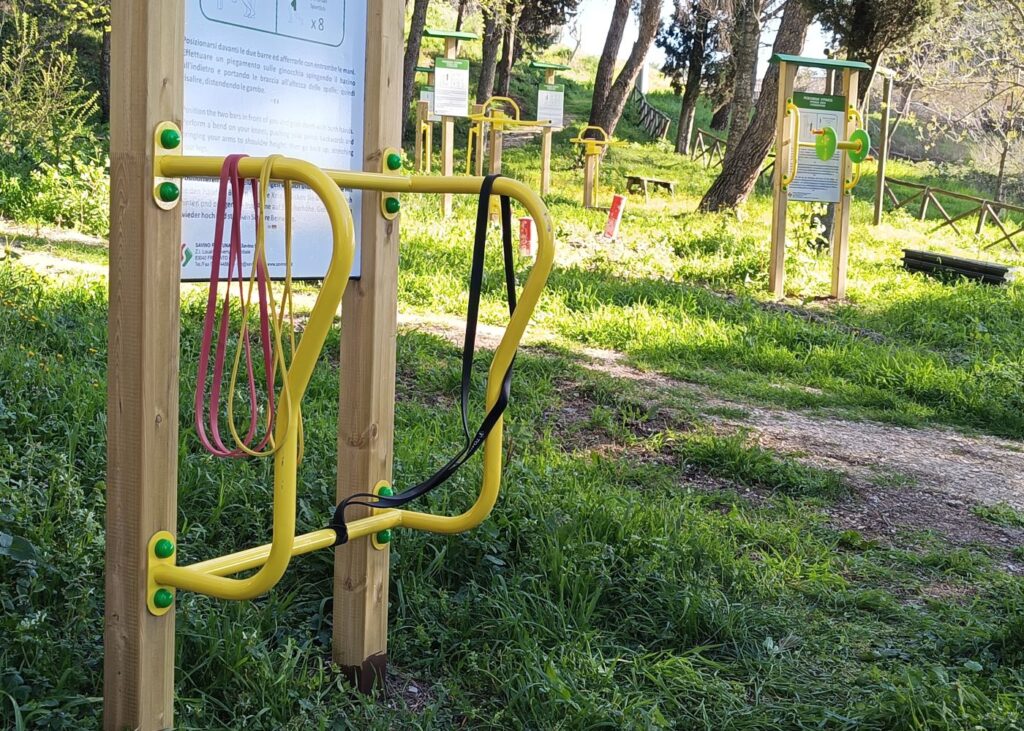
Staying Fit and Strong
The Zombieland number 1 rule for surviving a zombie apocalypse – Cardio. Good fitness is important when travelling long distances. You will enjoy the travel more, and it will probably help your stamina and riding.
I carry a small set of resistance bands. With these bands, I can do flexibility and strength exercises that replicate what I could do in a gym. They pack down to a little more than the size of a soft drink can.
You just need to find somewhere with a non-abrasive ground surface and/or somewhere to loop them onto. When in a town, I try to go for a walk in the early morning and find a local park to exercise in. Or the crash bars on my motorbike are also good. It is a great way to get amongst the locals and connect with nature.
I buy them off Amazon, normally in a set. They are 2 metres in circumference. Always looks for natural rubber (not plastic) and I find the lowest three strengths take up minimal space and are enough.
Route Planning
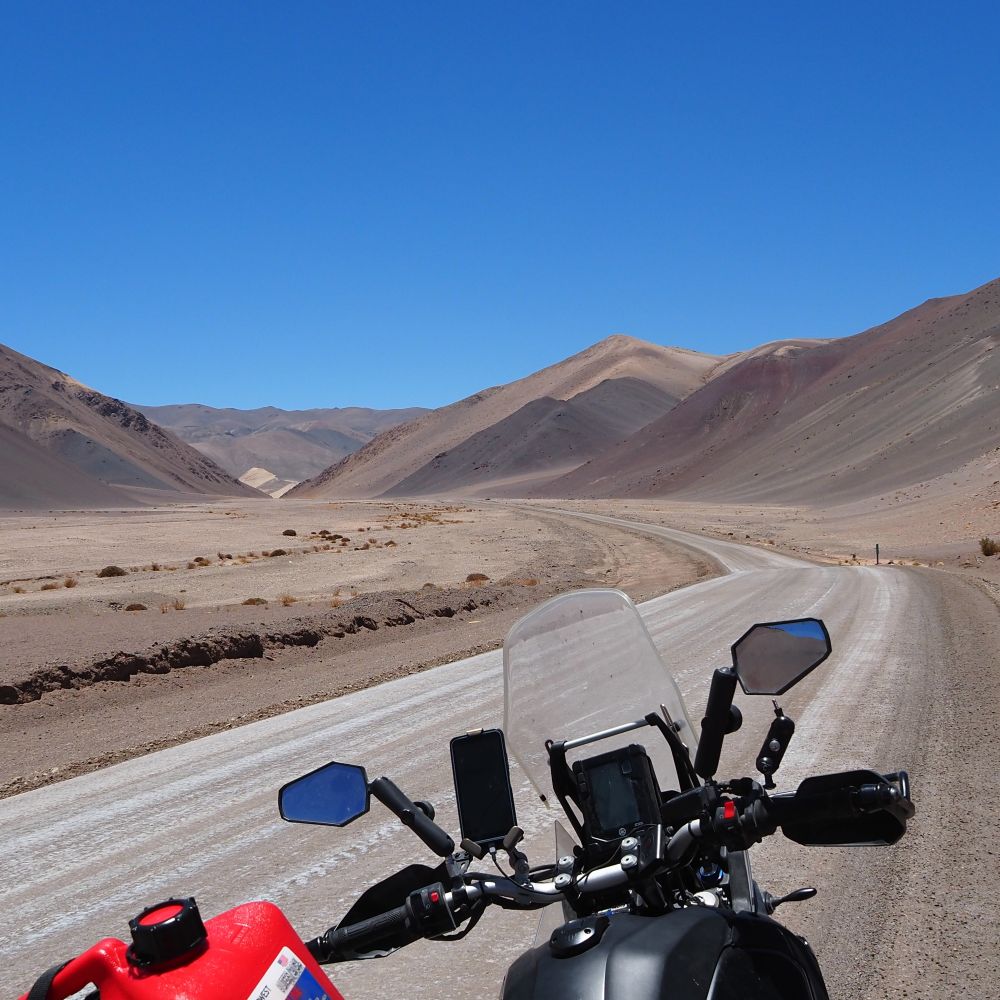
At a continent or region level, the most enjoyable regions for me have been South and Central America, East Asia, Central Asia, Australia and Western Africa, north of and including Guinea Bissau. Or put another way, somewhere different to where I live, in culture or climate.
At a high level, I have been breaking down my trip by continent and depending on the season. At the end of a continent, I decide whether to continue and where to.
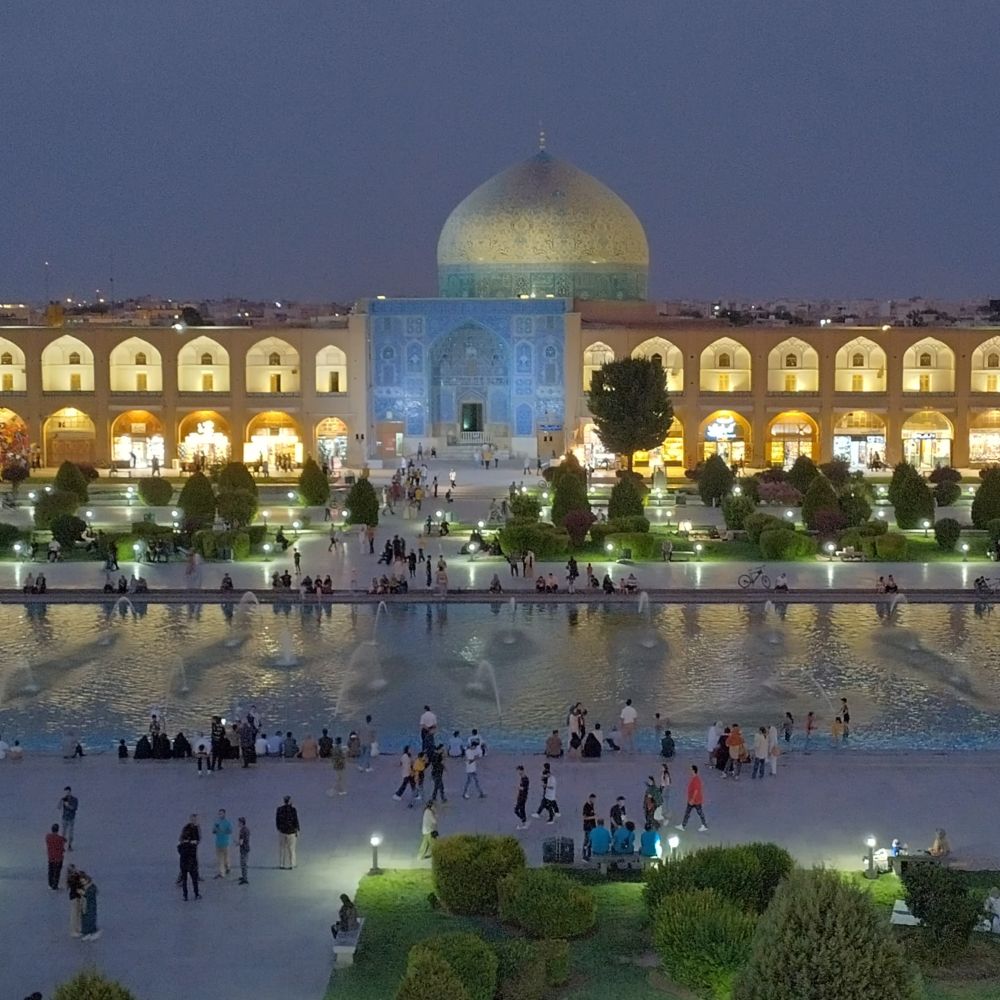
At a country level, I will check my government’s travel advisory. I have been through countries with a Do Not Travel advisory. But I will weigh this up against the reason and my enthusiasm to visit e.g. Wakhan Valley, Tajikistan and Touring Iran. Be aware that your travel insurance may not cover such countries.
On a day to day level, I tend to just wander. I generally stay clear of major cities and high profile tourist locations. They are busy, expensive, less safe and sometimes not the real cultural experience anyway. I will often set out and ride in the morning without a destination, just a general direction. Or maybe my destination will be set by some appealing accommodation up ahead and I will meander my way there. Often the appealing accommodation is in an appealing area anyway. My navigation method is on the Gear Page.
I have another mantra, from South America mainly. If I am seeing foreign adventure motorcyclists, maybe I’m being boring, and it’s time to change route.
Personal Safety for Solo Motorcycle Travellers
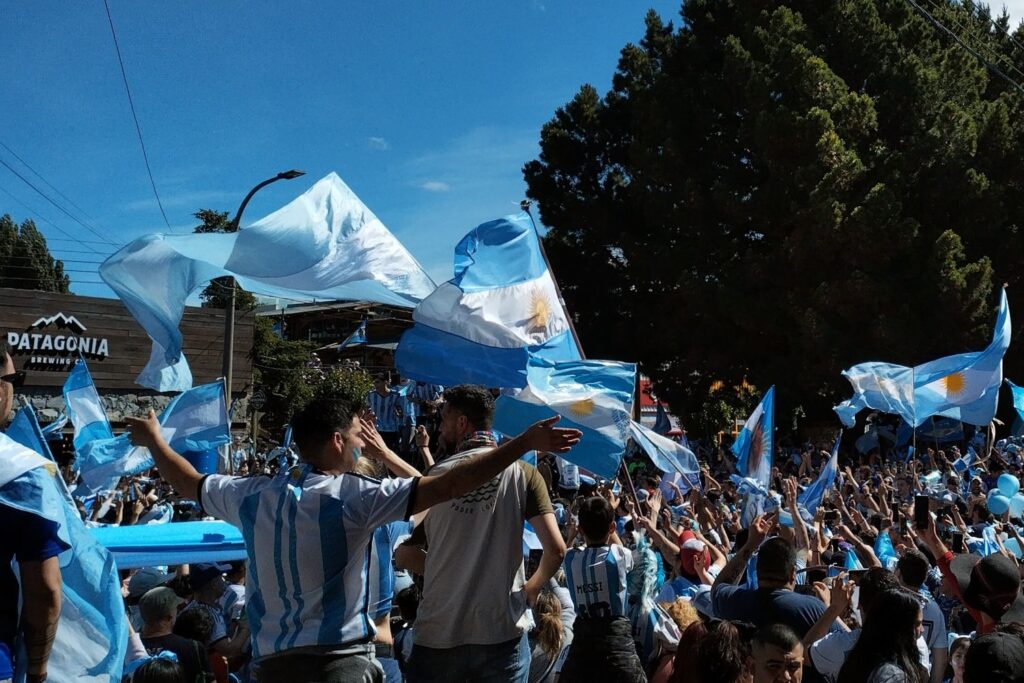
So far, so good. There have been a few times when I have been a little wary of my situation, but never had any harm done. The rest of the time I just join into local life. When I reach a town to stay, I walk everywhere and try not to use the motorbike at all. It is the best way to get to know the local area and often people will ask where I am from and we’d chat (or try).
At a country level, I do pay heed to government travel warnings. I will look at the reasons and then decide.
I never plan to ride at night. If I am, something has gone wrong and I have no choice. It has probably happened a dozen times and were the moments where I have felt most at risk. For example – Dodging Protesters to enter Peru and Turned Back from Senegal.
I prefer regional or country areas over major cities. As a wise lady in Ushuaia, Argentina said to me early on, there is nowhere for bad people to hide in small towns. People in regional towns want you to like their town, even if they take a little while to suss you out and warm up.
When I go out at night, I look at the local people as a guide. When the families go home, I go home. I don’t drink alcohol in Islamic countries.
I also try to keep a low profile. My motorcycle and gear is not flashy and colourful. I have removed the branding stickers on the bike and I am happy when it looks beaten up. In most countries it is still very obvious I am not a local, but you also don’t want to look like a naive rich foreigner that is ripe for picking. If they look at you, and you look like an experienced, hardened traveller, that is good.
In more sketchy countries I will plan to ride straight into my destination town with my accommodation pre-arranged. Don’t be riding around looking for accommodation where everyone can see a rich foreigner has just arrived in town. I was followed in some South American towns e.g. Colombia.
Stay out of local politics and religion. If a conversation starts heading that way, change the subject. Don’t get involved in bad mouthing the country’s government. Just be a happy, friendly tourist.
I still wear proper riding gear. It is good in cold climates but does get damn hot at times. But it is safer and also I don’t really have space to put it anywhere else. And you need to be prepared. At times I have ridden from a balmy 200 metres elevation to a very cold 4,000+ metres within a day – Bolivia Amazon Basin.
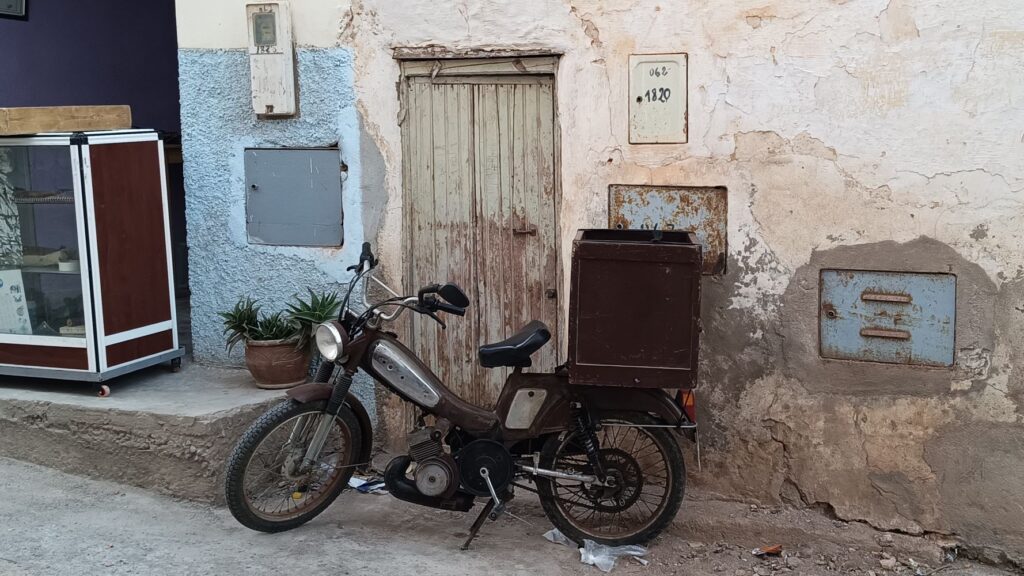
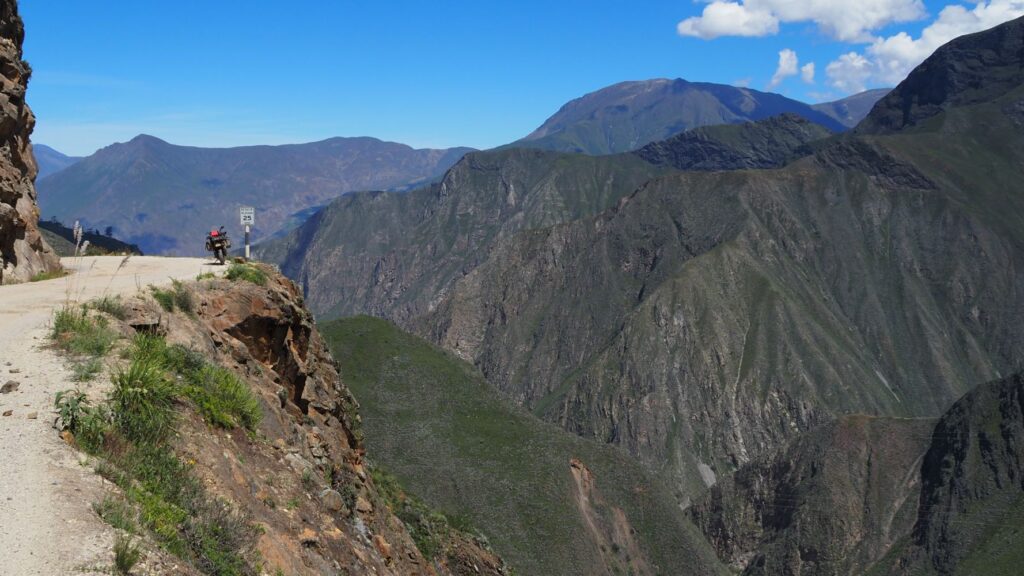
Speed
How fast do I ride? Not very. When travelling solo, riding fast or on the edge in a foreign country is a different ball game, for multiple reasons.
In the start I did find myself taking risks but then developed a little saying to remind myself – “there is no one to visit you in hospital”. Taken further, you do not want to go near a hospital in some countries, and you definitely don’t want to be unconscious and having someone unknown making decisions for you. Save the daring riding for your own country.
When riding fast you also see less. That’s why you are there, remember.
Motorcycle travel in foreign countries also becomes about conservation. You want everything to last longer. Not just your money. It might be your fuel to reach the next stop, or reaching a country where your tyre size, chain or sprockets are available. The faster you ride, the faster these things wear out. I reckon the difference between 70-90kmh and 110-130kmh is about a quarter of a tank for me, or about 80km extra distance to reach that next elusive fuel stop.
You also need to respect the locals. If you ride fast through a village and hit someone’s goat, that might wipe out 50% of their assets, and it is not cool.
Riding fast can leave you open to police fines. The process might not be official like your home country and instead leave you exposed to extortion and quite out of pocket. Even worse, if you are involved in an accident, it is very likely the local officials will side with the local, not a foreigner.
In many countries, the conditions don’t allow you to ride fast. In parts of South America, I would ride a full day for 10-14 hours per day, but only average 20kmh.
Maintenance and Spare Parts
What you do will depend on the confidence you have in the reliability of your motorcycle.
I have developed an average knowledge of vehicle mechanics over the years but know I am no mechanic. I don’t work on the bike myself and have not had a problem finding someone to do a good job. There is always someone local that has a friend into motorcycles and can recommend a suitable mechanic. It has just been oil changes, clean and oil air filter, general services, suspension servicing, chain, sprockets, brake parts, tyres, one puncture and the odd damage repair. I have never had the valve clearance check done and do not seem the worst for it.
I do not carry any spare parts, and after only one puncture, not even a spare tube (just repair glue and patches, plus see my tyre choice – Gear). I still carry a small tool kit I customised for the bike. It is handy when preparing the bike for airfreight, but so far it just sits at the bottom of my pannier.
I occasionally see people loaded up with parts and even spare tyres. This is just not practical. You should question your choice of bike or equipment if you need to do this.
A quick word on chain maintenance. I buy good quality mid level chains and sprockets. I do not bother cleaning them. I will lubricate them with whatever I can find. I will just hit a local hardware store and try to buy whatever lubricant is in a convenient, small, well sealing container. Sometimes it is some sort of grease, or two stroke oil, or used engine oil in a used container. It is not a big deal. I look for a basic lubricant to reduce the metal on metal wear with the sprockets. I get at least 40,000 kms from the chain and sprockets. One time I reached 60,000km, although the chain rollers were starting to fall apart.
See the section about Speed also.
What Motorcycle to use for Foreign Travel?
I think taking your own motorcycle from home is best for long term multi country foreign travel. It seems minor but having ownership and registration papers with your name and home country address can make all the difference at borders. Remember, the purpose of a country’s Customs department is to administer tax rules at borders. If they think you are going to sell the bike in their country without paying import duty, they will not let your motorbike in, or charge you duty to enter with it.
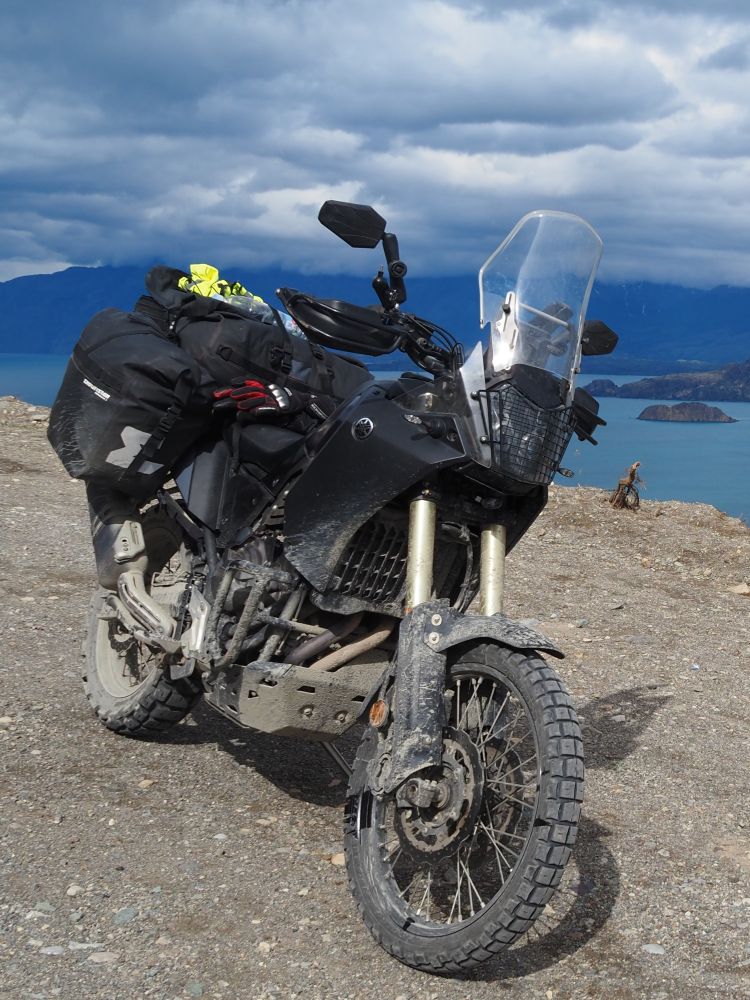
Choosing which motorcycle is definitely “horses for courses”. To travel the world outside North America and Europe, all you really need is a single rider, very reliable, strong motorcycle, with a 80 kmh cruising speed and 110kmh top speed.
You do not need a large, high-powered motorbike. Outside the highways of Europe and North America, the rest of the world has very poor to average roads. All you really need to be able to do is pass a truck. The rest of the time you can slot in at the speed of trucks, create some space and enjoy seeing a new country. I am very happy with my Yamaha Tenere 700, but all things being equal, I would definitely trade off some power for less weight.
I sometimes think too many people are missing out on the experience of motorcycle travel. Mainly younger people that want to explore foreign countries at a low cost. Instead, they take on precarious local public transport and the associated risks and restrictions. I have travelled for months in some continents without seeing a foreigner. There should be more young people out there.
But the motorcycle industry has trained the market to think you need a huge expensive bike with huge expensive gear before you can set off on a motorcycle adventure. The reality is that the local population is travelling their country on a low power (125-200cc) simple motorcycle. Their luggage is a plastic garbage bag or a simple $10 duffel bag. And there is a motorcycle mechanic in every village to do repairs.
Medications and Treatments
I chose to get vaccinations for every possible disease a medical professional could think of. Was it a good idea? It’s hard to know, but I have never been properly sick with anything since leaving Australia. I am also conscious of simple, good hygiene practices, like handwashing.
Once you get past a certain age, your body does need a little help along with some meds. This is what I did in this area. I asked my home doctor to write a letter listing my medications. I have used it once, during a doctor’s visit in Canada, where I needed a prescription. I thought, maybe I would need it at a border to explain why I am carrying the meds. But this has never happened, even during intensive drug searches in Türkiye and Côte d’Ivoire. They accepted my explanation and moved on to try to find something more sinister.
Finding a doctor for a routine visit is normally not a big deal either. I have made doctors visits in Argentina, Canada, Japan, Germany and Mauritania. Each time I got the answers I expected and the prices were minimal (except Canada).
Once you run out of meds, it is a matter of searching. I have been able to find what I needed, eventually. Sometimes I had to get a prescription which was a pain, like Canada and Japan. I just approach a local doctor’s clinic. A translator app is normally fine to communicate with. In many other countries it is way more relaxed and pharmacies have little restrictions, in which case I would stock up. In other countries in similar regions, supply was non-existent.
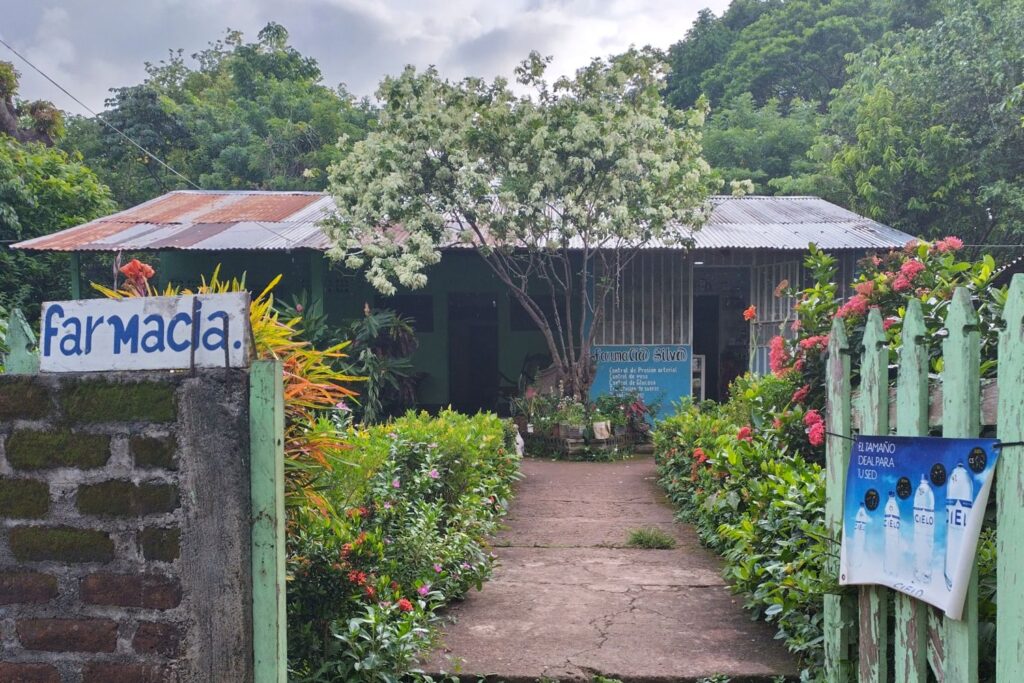
I have never had any problems with the safety or efficacy of any medications. I have bought product in and made in many Third World countries without issue. But I only buy from a legit looking walk in local pharmacy.
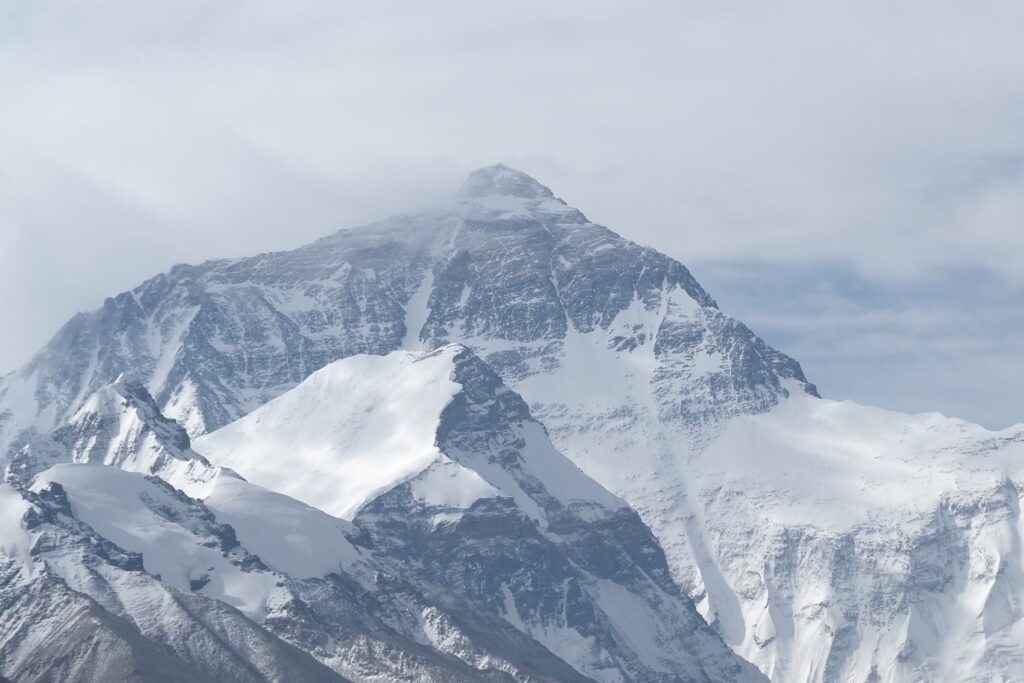
Hopefully you will visit some high elevation regions, they are always fun and challenging. I have spent considerable time above 4,000 metres (13,000 feet) and as high as 5,450m. I did carry some “altitude” medication for a while but gave it away. But it is a personal thing and worthy of consideration before you leave.
Motorcycle Security
I have never been aware that anyone has tried to steal my bike or gear. But I am careful. I didn’t start out that way, but early on I would have locals in Chile and Argentina come up to me and warn me I was being too trusting.
I am very happy with my soft luggage, but it has no effective security. So, during the day I will rarely let my loaded bike out of my sight (except in Japan, where I could have left the keys in and still not had a problem). If I find some lunch, I will choose somewhere to eat with the bike in sight. Border crossings are an interesting one. I will often have to leave the bike and go inside to do paperwork. I will just try to park the bike as close to the entrance, busy area or officials as possible. I will tend to ignore the car parking sign and try to “tuck” the bike in somewhere closer that suits me more. Most officials understand and help.
With border crossings, I ride past all the trucks. I will normally ride past the cars if it is a park and enter the office type crossing. If it is a crossing with drive through booths, I will normally wait my turn in the queue. Although these are rare, normally only entering Europe or North America.
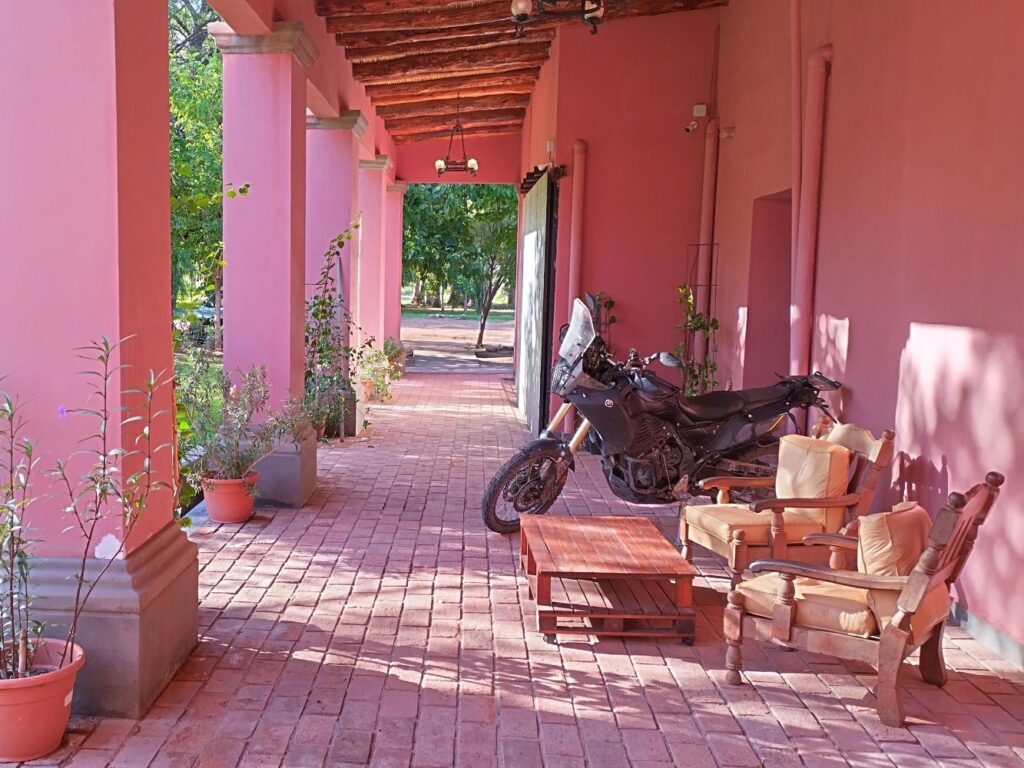
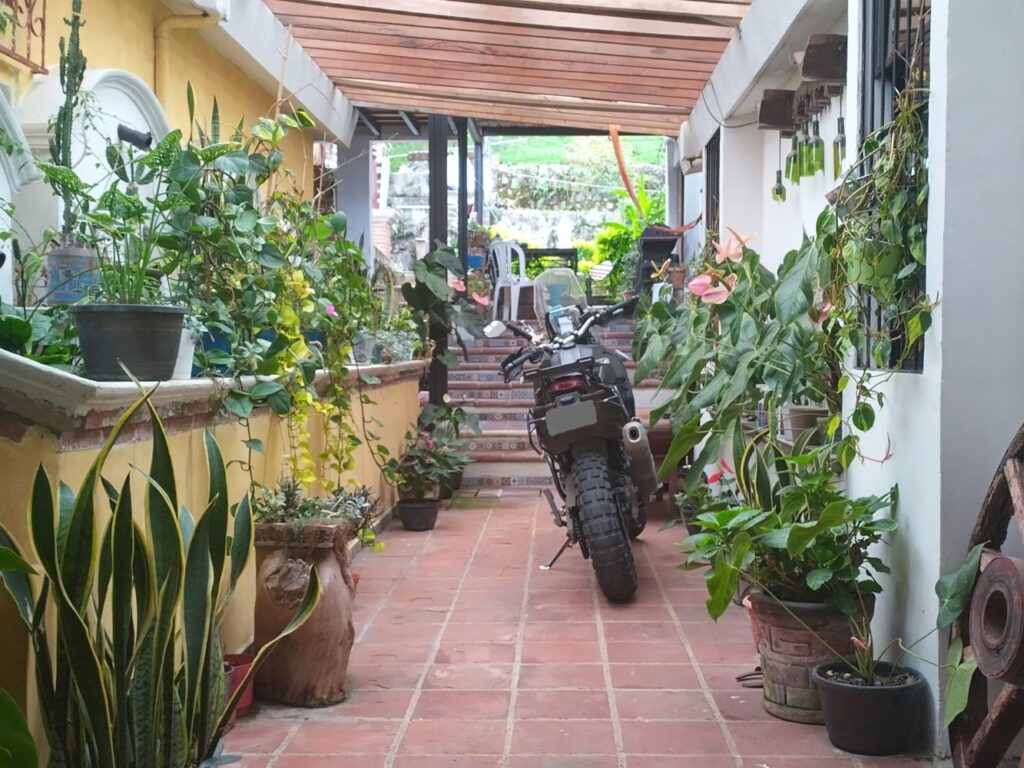
At night I will choose my accommodation based on it having secure parking, ideally with the bike secured away from public view and access. This is a deal breaker for me. Many hotels in higher risk countries are aware of the problem and will often suggest bringing the bike into a safer area. If I am a bit wary, I will fit a disc lock that I have (no warning siren, too annoying). This is the only “security” device I carry and don’t feel the need for anything else. I did carry a motorcycle cover through the Americas. But I gave it away in South Korea. I really don’t think they add a lot of value and just take up too much luggage space when not in use. Just don’t park where the public can see and access your bike.
I bring all of my luggage and accessories inside my room at night. I normally need most of it anyway. Nothing gets left on the bike to attract attention. Even hard luggage on the bike can be vulnerable to people desperate for anything of value.
In some poorer countries, I actually get the impression the risk of motorcycle theft of a motorbike like mine is very low. There is no market for the parts because such bikes are not sold locally. Plus a local riding such an adventure bike would definitely get the attention of the police. And these countries often have police checkpoints in and out of towns.
What Gear?
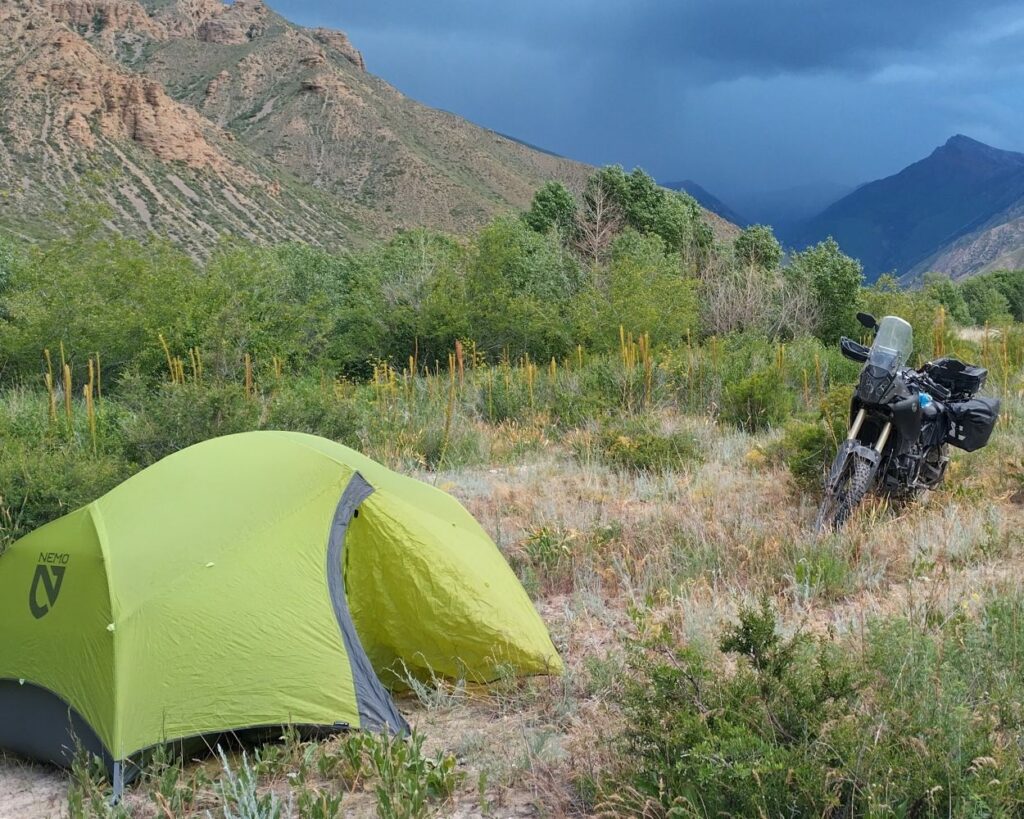
Camping gear – I have been carrying camping gear the entire trip. Apart from my time travelling in Australia, I rarely use it. Hotels are often affordable, comfortable, convenient and safer. Carrying some type of emergency shelter is sensible if you decide not to camp. My tent is a Nemo Dagger 2P. It’s a great tent but getting pricey.
I also carry a Kovea Camp 1+ gas burner and Kovea Escape pot set. I use these items regularly. There will be countries or towns without any appealing food. With these, you can hopefully find some simple groceries to prepare. My camera is an Olympus OM-D E-M5 Mark III and great for my purposes.
Clothes – I take the Jack Reacher approach and buy what I need for the continents season, then give it away when changing climate zones. I always carry my 12v heated jacket and merino thermals. My standard dress code is long sleeves and long pants. This is normal outside Europe, North America and Oceania, and not just in Islamic countries, Central and South America are the same. Observe the locals and dress modestly. Wearing shorts can make you look like a tourist and may offend some.
Finding Cash for New Countries
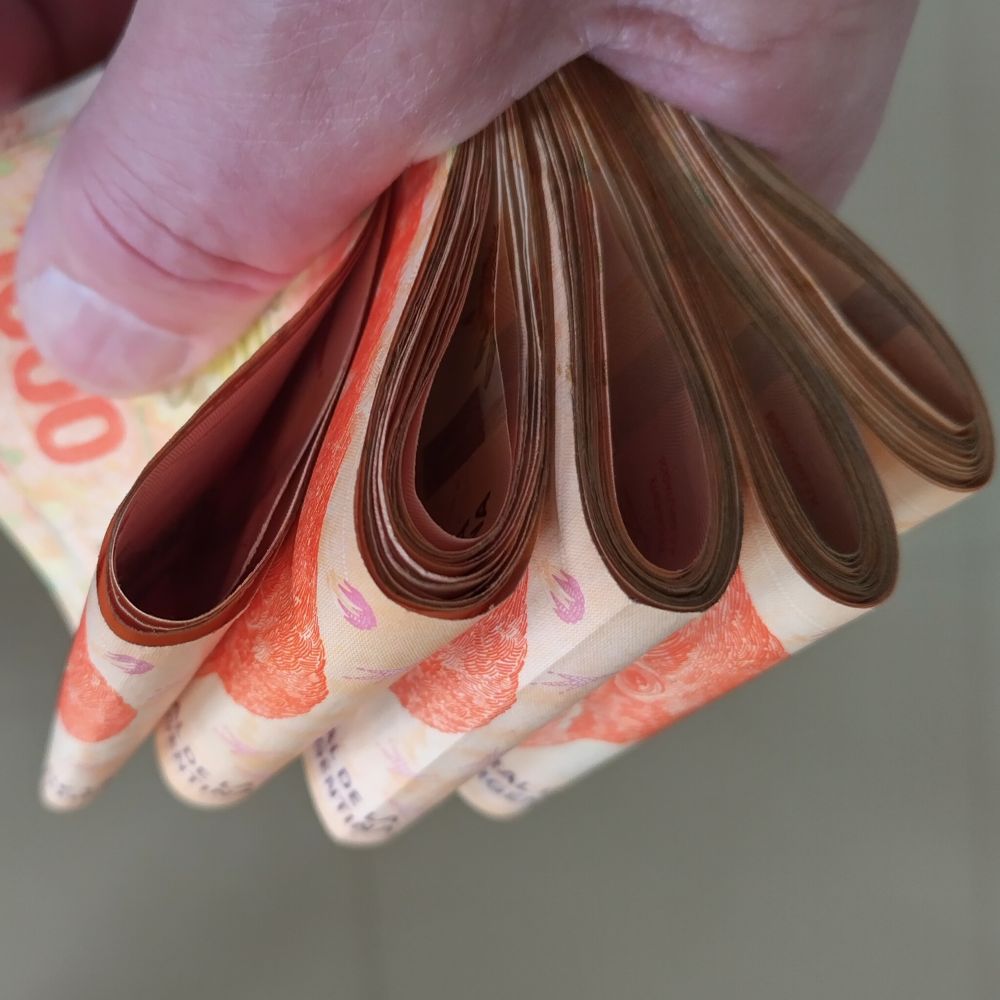
Generally, I do not bother with finding local currency prior to entering a new country. If you need cash for entry fees, the new country will often accept cash from the previous neighbour country. Or there will be a money changer nearby.
I normally wait until I am in the new country and find a local bank cash machine (ATM) at the closest border town. Make sure you have a bank account with wide global coverage, good conversion rates and no foreign withdrawal fees. With some effort, it is often possible to find local bank machines that do not charge a withdrawal fee for foreign transactions.
I avoid money exchangers. My experience has not been bad, they can just be annoying. I try to minimise the amount I have left from the previous country.
If I have cash left over, I normally don’t exchange it. In the poorer countries especially, I will look out for someone along the road near the border that looks like they could need some extra cash, and just give them the lot. If you do it near the border, they will have a way to change it into their local currency. Even a modest amount like 10-20 USD worth might not be that much to you but it can make a big difference for some people. I have had some very thankful smiles by taking this approach.
I don’t use eSIMs, too expensive. I buy a new SIM card per country, ideally from the phone provider’s store in the next town, not at the border from some reseller.
Carnet de Passages en Douane or NOT
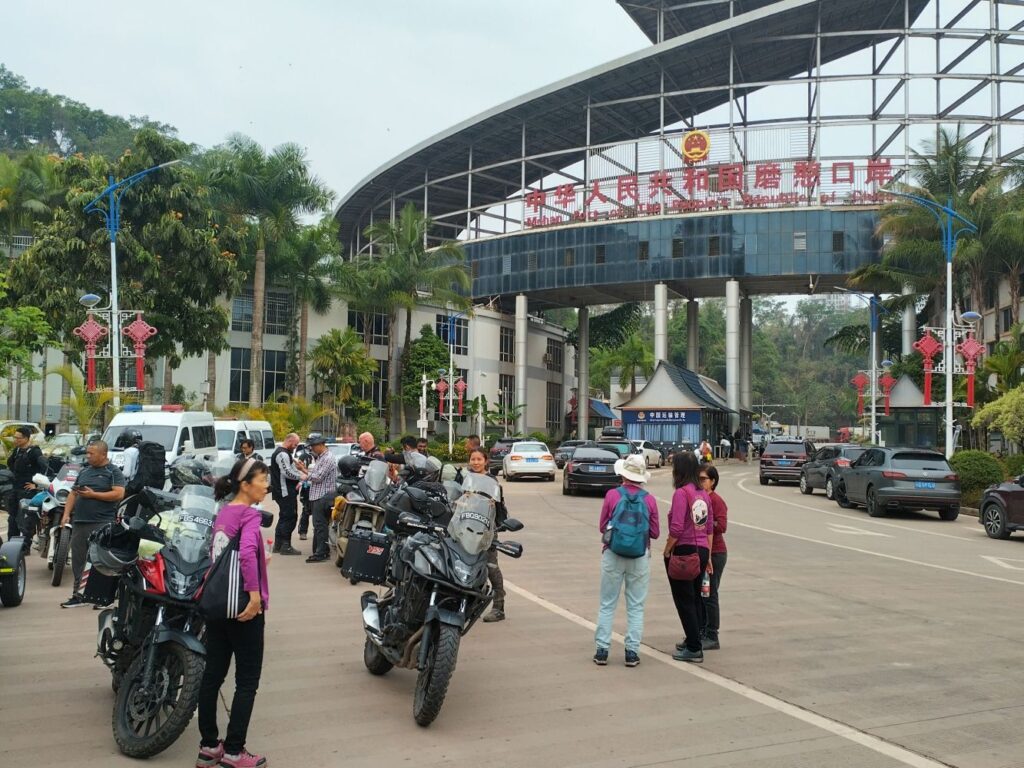
I have never had a CPD. Before leaving Australia I decided not to get one. I was never comfortable with the cost, necessity and bureaucratic nature of it all. Despite what the companies selling them will tell you, there are very few countries where it is the only way to get your vehicle in. Plus you need to renew the CPD every year.
I have entered about 70 countries with my motorbike. In all but three countries, I have been able to enter and leave the country using a TIP – Temporary Import Permit (or their local term). The TIP is normally free or a minimal fee (10-35USD).
In three countries I had to work a little harder. For Japan I had to enter by ferry from South Korea to be able to use a TIP. In Iran, I had to buy a temporary CPD. It was very expensive but still better than the imposition of buying a CPD. Ghana insisted on a CPD, but I could have arranged a Transit Permit with Ghana Customs, that for a fee would see me across the country within 10 days. I had been worn down by African border bureaucracy by then and lost motivation so didn’t bother.
Crossing Oceans
I have done many short vehicle ferry journeys across local seas. They are convenient and fun. In most countries the crew will strap down your bike, with their straps. I have never had any problems and figure they are more expert than me. Don’t waste space carrying your own straps for this purpose.
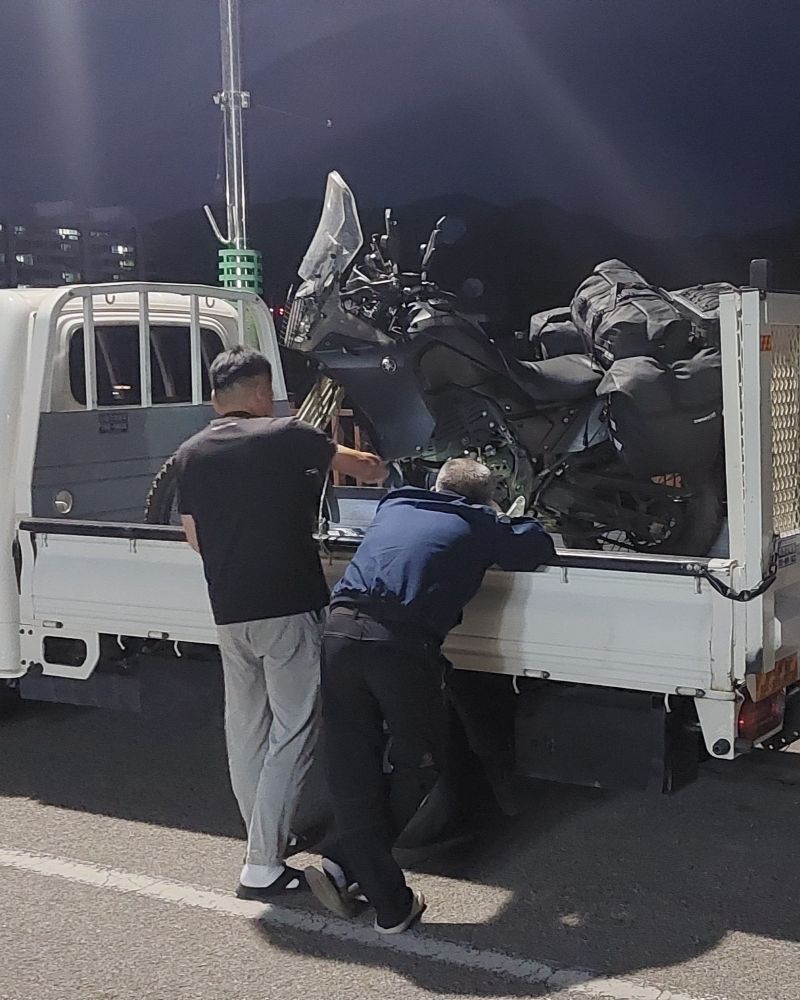
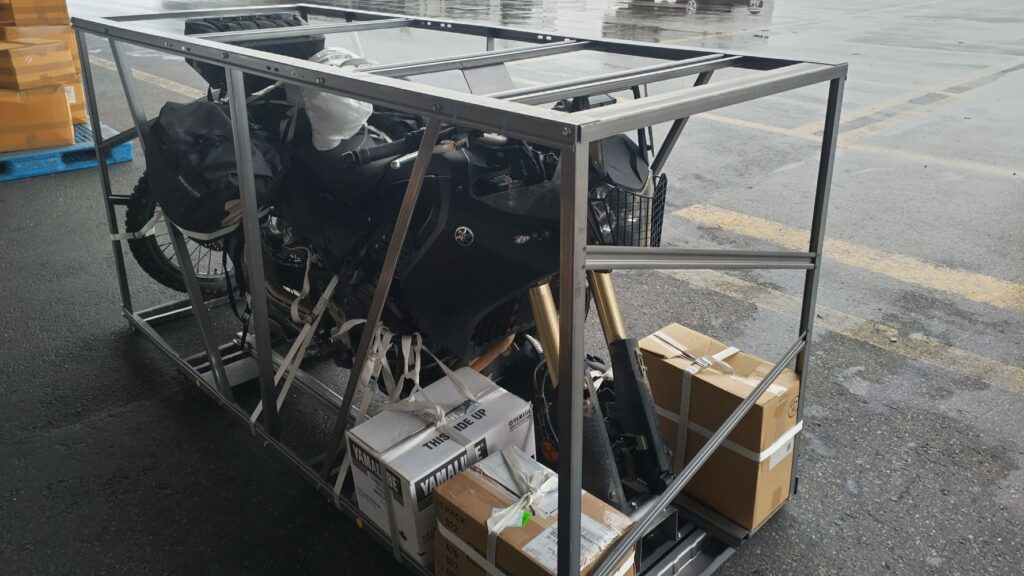
I have done five major crossings now, all by airfreight. At times I have looked into sea freight but the lengthy transit times, price and risks with shipping LCL never stacked up.
These are the updates that cover the shipments Australia to Chile – Colombia to Panama – Canada to South Korea – Japan to Cambodia – France to Canada (coming soon) – Canada to Australia (also coming).
Food and gut health
Expect your weight to fluctuate. You will travel in many countries where food is way more scarce than your home country. You will adapt and get used to less food. At times, it will be better to not eat, than eat.
I have really only become sick in my stomach once, in Bolivia early on. I was back to normal in a few days. There have been other times, where I thought I was in trouble but woke up okay.
Don’t believe the “street food” hype that influencers go on about. If you cannot see some type of refrigeration, good hygiene and washing up practices, eat somewhere else.
Go vegetarian in places lacking refrigeration and good practices. Many poor countries will still have good supplies of seasonal vegetables. But cooked is still the way to go. Or eat packaged food you can prepare yourself. I carry a small gas single burner and simple metals bowls that I can heat and eat food in.
In new countries or regions, talk to your local accommodation about drinking water. Ask what they do at home, not what you should do. I did drink the water in some countries that might be borderline. But unfortunately for our plastic problem, I have used a lot of bottled water in the last few years. And sadly, many of these countries do not have recycling. The right thing would be to use something like a Sawyer filter.
Riding Skill Preparation
How good do your riding skills need to be? Being adept at controlling your fully loaded bike is important. But you don’t need to be an off road legend. You can become this as you travel more. When you ride solo, you can ride at your pace and level – no pressure.
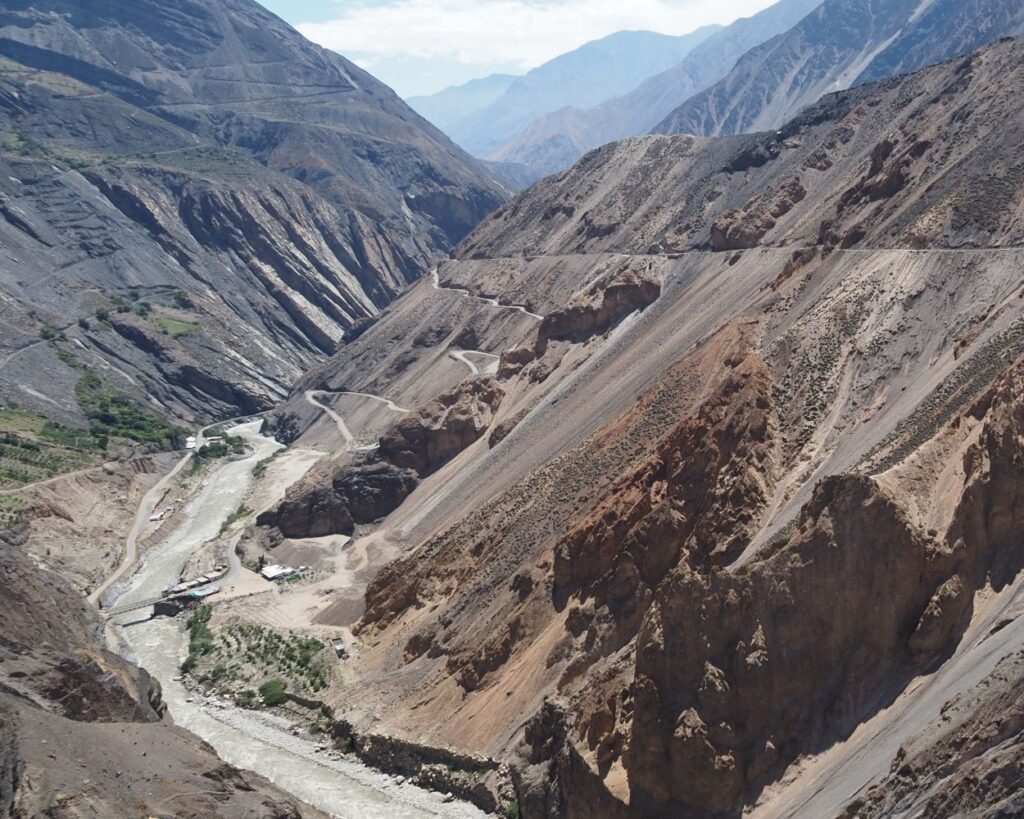
There are some skills I think are important. Be good at slow riding your fully loaded bike in congested traffic. The reality is that riding and navigating your bike through foreign cities with crazy traffic and poor roads can be more dangerous than off road in a remote area. City traffic works on its agenda, not yours. The last thing you want is to go down while surrounded by trucks and buses. If you can ride slow and steady and retain good balance and turning, you are well underway.
If you are a new rider, make sure you understand and practice countersteering.
Some experience on gravel forest roads will help, as will mud and sandy roads. But when you experience this on your trip, just go slow at first and ease into it.
And importantly, the lighter your bike, luggage and you, the easier it will all be.
Sounds
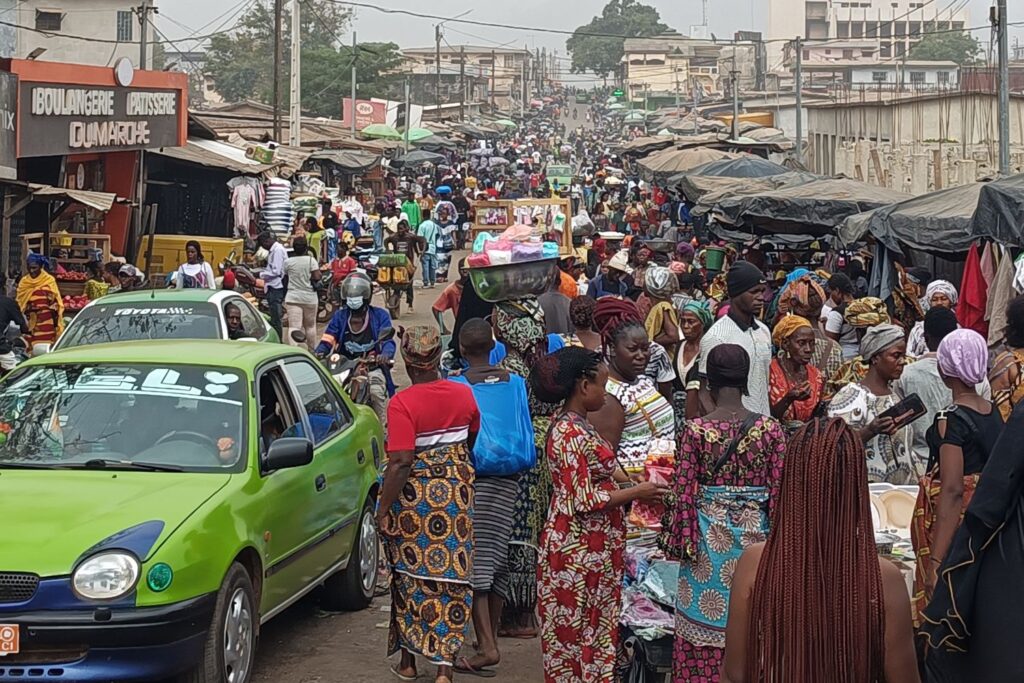
Local sounds are one of the most memorable aspects of my travel. Relaxing somewhere with the window open and taking in the nearby sounds is special. It could be the sound of locals chatting, birds, water, evening prayers, church bells or the laughter of children playing in the street.
On a more practical note, protect your hearing while riding. I aim to block out as much noise as I can. I always wear my custom moulded earplugs that maximise the dB reduction. And carry a spare pair. The plugs that “filter” frequencies don’t make sense to me, that is only stopping selected frequencies. You want maximum noise reduction for long hours of exposure on the bike. I still hear cars coming up near me, if I have not already seen them.
I don’t listen to music. I had custom molded earphones, but was still turning them up loud to cover wind noise and potentially causing hearing damage anyway.
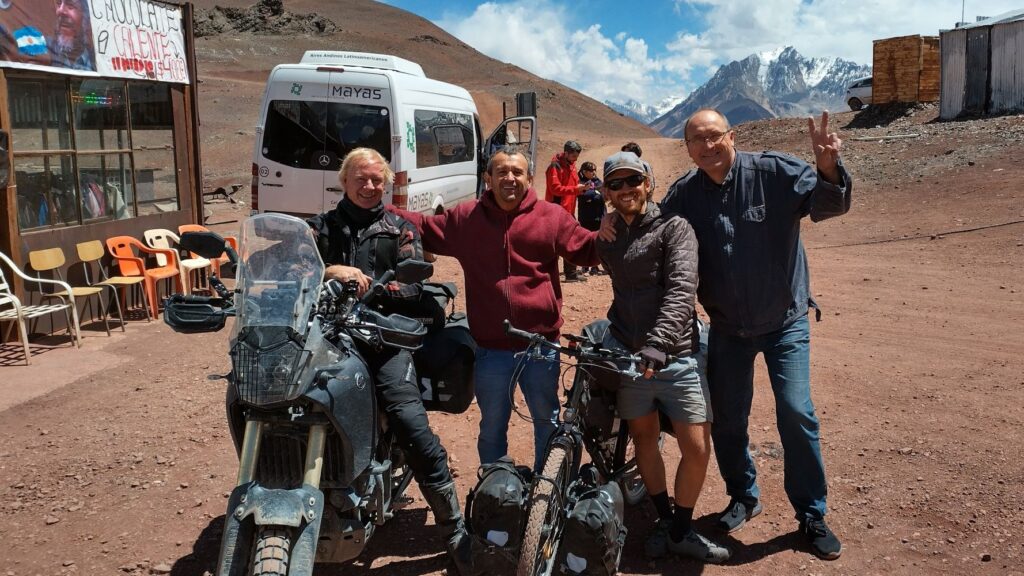
Travelling Cyclists
To me cyclists are the most hard core overlanders. I always give them a wave. In countries with minimal foreigners I will always stop for a chat if I see a travelling cyclist. I can tell they are normally very happy to see me also. Like the Austrian cyclist in the photo at Cristo Redentor de los Andes. Or the young woman from Canada in this Peru Andes Update, who was the first foreigner I had come across in months. Or the Argentine and German couple on an vintage East German made tandem bike, when I crossed from Mauritania to Senegal. They are the brave ones that give themselves up to a country. Distances between cozy and safe hotels do not work for cyclists in many of these countries. They will often run out of daylight in the middle of nowhere, or nowhere most people would want to sleep.